
Research & Development
Research Library
Papers on Zimbabwean history, culture and conservation, gathered by Dr Charity Chenga. Choose one from the shelf and read it here — more are being added.
Heritage & identity
San as the First Inhabitants in Zimbabwe
The San are the first nation of southern Africa, yet in postcolonial Zimbabwe their claim to that history is barely recognised. A short paper asking whether assimilation into the dominant tribes amounts to a silent cultural erasure — and opening the question to debate.

The legitimacy of the assertion of the San as the first inhabitants in Zimbabwe is not actively promoted and supported in postcolonial Zimbabwe. The assimilation of the San to the Ndebele and Kalanga tribes is evident that the San’s identity and culture are denigrated in popular oral and media myths, and hardly recognized in main governance structures. Or is it an issue of identity as a performative concept? What could suggest is that even the San themselves are embarrassed to be called the San. Their reluctance to fight and lobby for their cultural freedom. Is it a silent cultural genocide by the dominant tribes? We aim to open and settle these questions to debate.
The San people are members of various Khoisan-speaking indigenous hunter-gatherer people representing the first nation of Southern Africa, whose territories span Botswana, Namibia, Angola, Zambia, Zimbabwe, and Lesotho. The click language of the San people is traceable back to the Middle Stone Age period.
The San are the first inhabitants of southern and central Africa before the arrival of Bantu people and European colonialism. Some groups came from the Maitengwe area of Botswana — allegedly having taken flight from persecution at the hands of Tswana chiefs who were reputed to commit violence against people who broke their laws. A major San “settlement” which predates the arrival of ethnic groups which practice pastoral farming on established grazing zones like the Kalanga and Ndebele has been found near present-day Ndolwane (previously Dzibanezebe) in Bulilimamangwe. Some of the elders in this settlement say that they came from Zambia via Botswana.
Some schools of historians support the view of the San as the first inhabitants of Zimbabwe. Some argue that — In the past, San occupied most of the areas south of the Zambezi River; archaeologically their presence is evidenced by hundreds of rock parts.
The San are the original inhabitants of the Bulilimamangwe and Tsholotsho Districts, and place names like Cawunajena, Gulalikabili, Gariya and Gibixegu denote their ancestry in these areas. When tracing their historical movements it is believed that the Kalanga people settled in the eastern regions of Zimbabwe. They had come from Swaziland through Botswana into western regions of Zimbabwe. They found the Bushmen/San occupying these regions, some are still found in the Mabhongwane area near the western Botswana border. Therefore it is assumed this is how the Kalanga people of Zimbabwe could (might) have come into contact with the Bushmen.
References
Bhebhe, S. Chirume, A. 2014. The role of Archives in the documentation of oral traditions, a case of the san people in Tsholotsho and Plumtree. Oral history journal of South Africa.
Hitchcock, K, R. 2016. The san in Zimbabwe: Livelihoods, land and human rights. https://www.researchgate.net/publication/296828038
Mhiripiri, A, N. Ureke, O. Mubayiwa, M, M. 2020. The discursive dynamics of Action-research and Zimbabwean san people’s production of Visual audio stories.
Mugandani, R., Wuta, M., Makarau, A., et al. 2012. Re-classification of agro-ecological regions of Zimbabwe in conformity with climate variability and change. African crop science journal, volume 20.
Robins, S. Madzudzo, E. Brenzinger, M. 2001. An assessment of the status of the San in South Africa, Angola, Zambia and Zimbabwe. Legal assistance center.


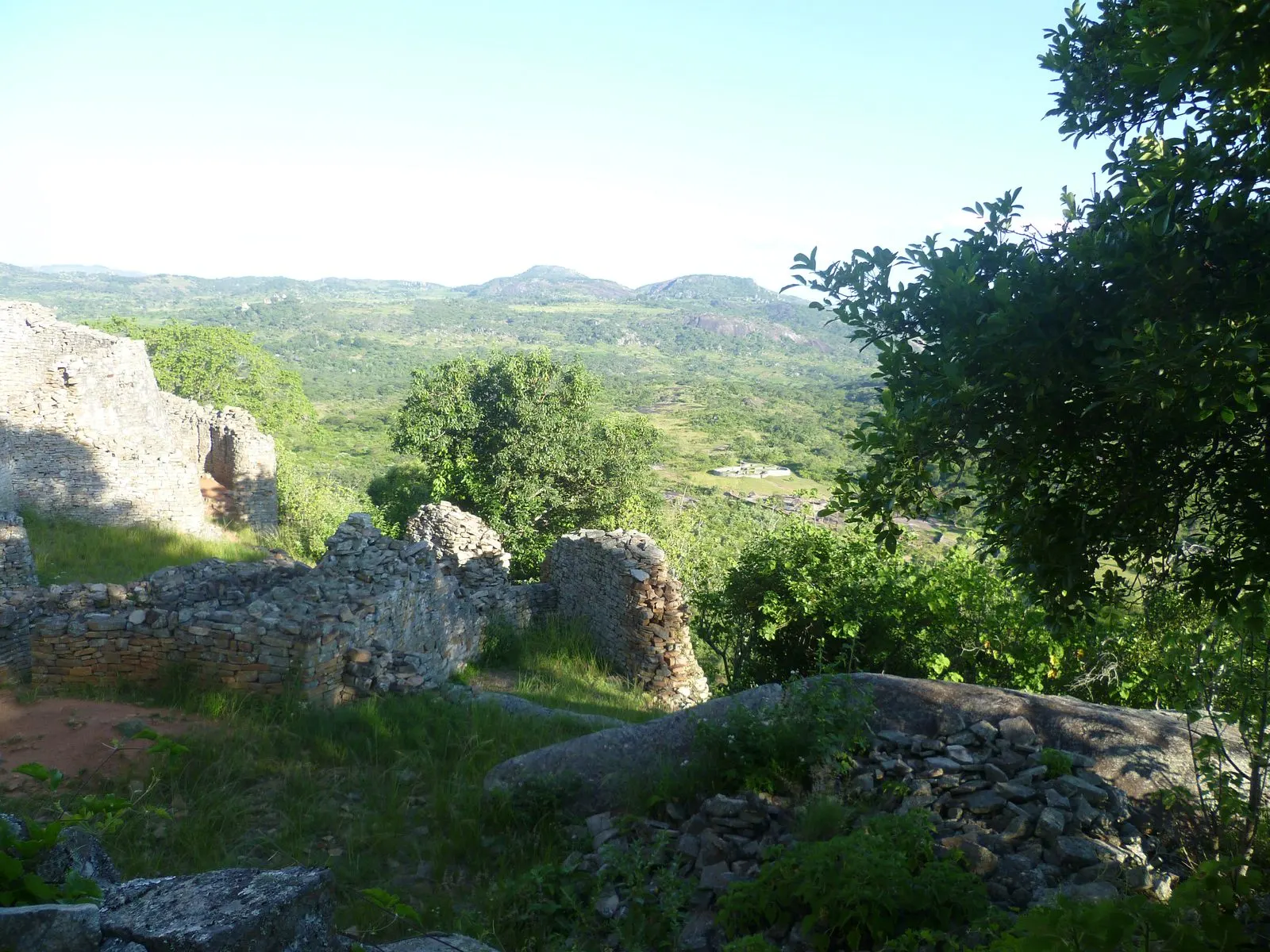
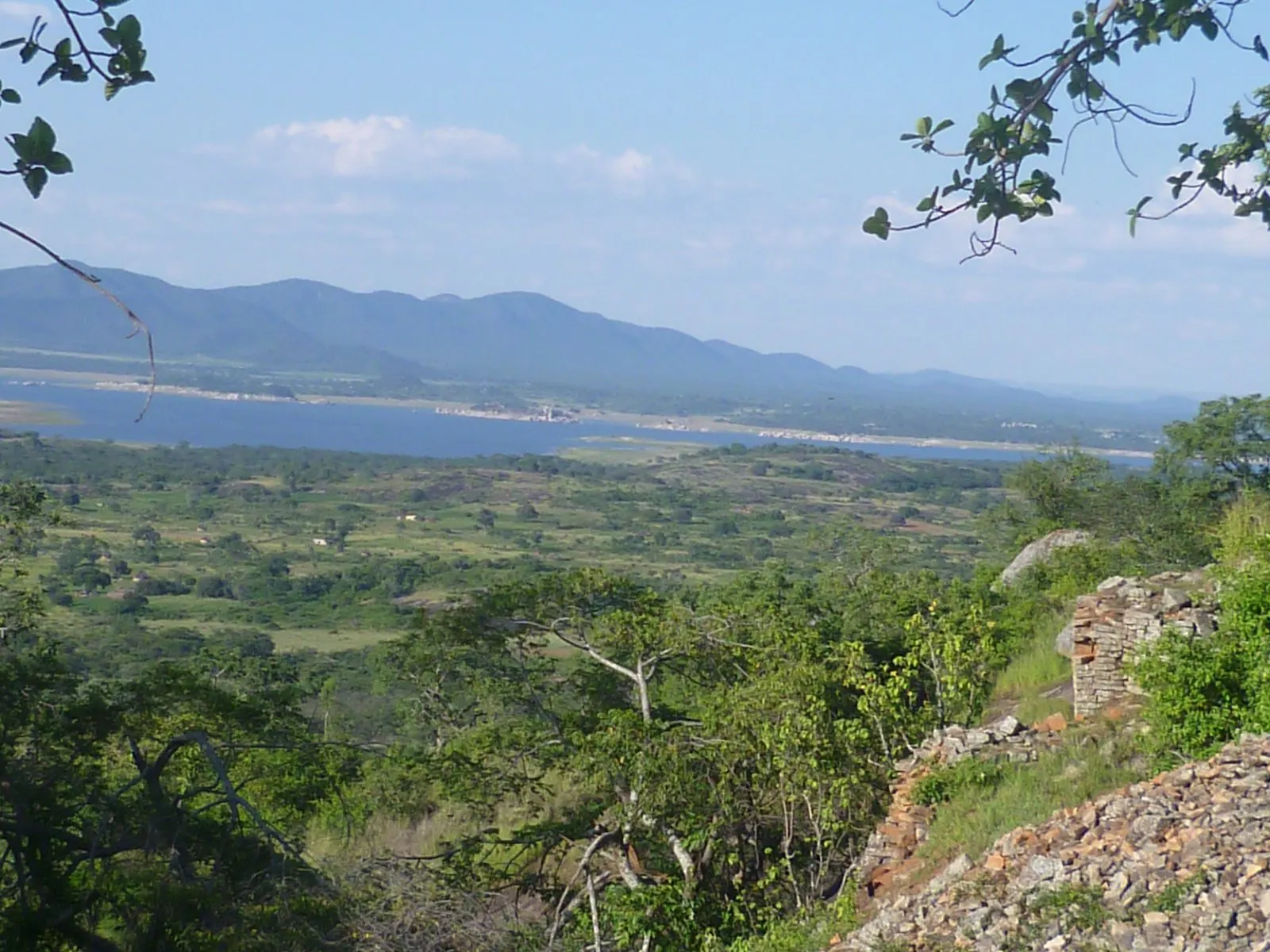

Shared with The Wellbeing Hub's research collection by Dr Charity Chenga.
Culture & tradition
African Traditional Dances in Zimbabwe and the Impact of Modernisation on Them
An investigation into Zimbabwe's traditional dances — Mbende/Jerusalema, Muchongowoyo and Gule Wamukulu — where each came from, what they were for, and what colonialism, Christianity and modern life have done to them.
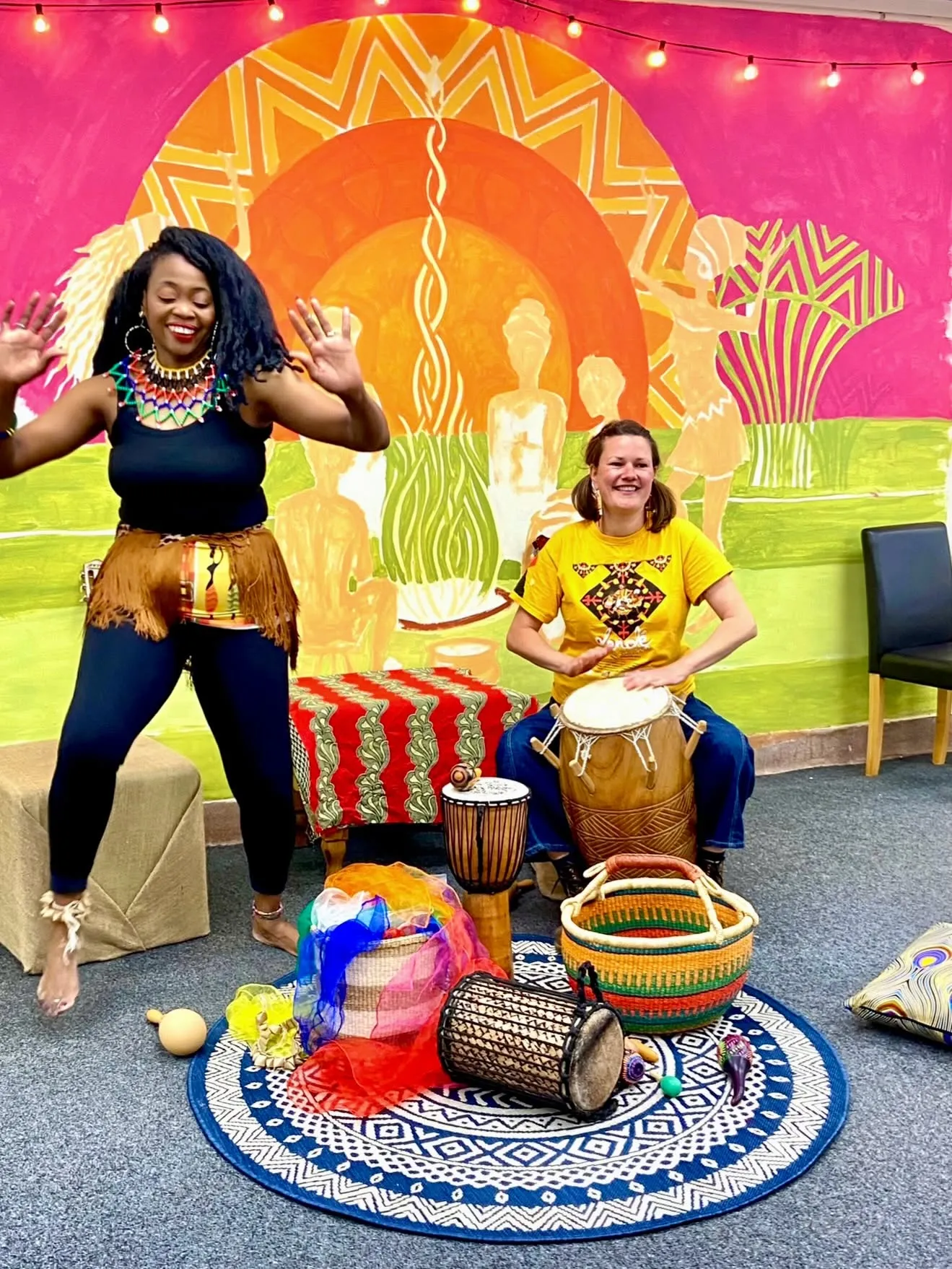
When a group of people stay together, they develop some ways of doing, expressing things. Societies develop culture which is sometimes unique to them. Culture of one society or community or group of people can be taken to other communities and have an effect. This means that culture is not static but is dynamic. This article seeks to focus on African Traditional dance in Zimbabwe.
Dance is an important aspect of African people in general and Zimbabwean culture in particular. In Zimbabwe different ethnic groups have unique traditional dances which were performed at different functions and occasions. According to Sekuru Gono of Mushawasha area, songs and dances in the past were important vehicles of communication between the living and the living dead — Religious, Social and Ceremonial package. The traditional songs and dances can be very spiritual at times.
Dances are also used as vehicle of transmitting traditions, good value of customs from one generation to the next. According to Sekuru Gono, dances can be also used to arouse the spirits, if one dances he is quickly possessed. Traditional dances were also performed for simple enjoyment and entertainment. Sekeru Gono postulates that dances can be classified into three main groups which are ritual, commemorative and entertainment.
Zimbabwean people fall into several ethnic and sub ethnic groups which include the Ndebele, Shona (Ndau), Zezuru, Manyika, Karanga, Korekore, Kalanga and other community groups such as the Machangana, Tonga, Venda, Shangwe and Nambia. The traditional dances of the Zimbabwean people include Muchongowoyo, mbakumba, shangara, mhande, mbende (Jerusalem), guleWamukulu (Nyao), jiti, Ngororombe, Mbaqanga, Tsotsa, etc. These different traditional dances have unique cultural historical and spiritual contexts. Different skills are needed to perform the different dances e.g. acrobatics, that’s according to Ziya Arts Cultural group. According to Mataga (2008), traditional dances are a unique form of cultural expression. These dances are an important aspect our heritage which should be preserved for posterity. Efforts have been made to preserve these traditional dances and document them by the Zimbabwe National Traditional Dance Association (ZINTDA) and the National Arts Council.
These traditional dances are still being performed mainly in the rural areas, farms and townships mostly by the elderly. However, majority of Zimbabwean people have since abandoned traditional dances because they are considered backward and against their Christian beliefs. Three traditional dances will be discussed in this article.
Mbende / Jerusalema
The Jerusalema dance was traditionally performed by the Zezuru people of Murehwa and Uzumba marambapfungwe districts thus according to Chigwedere Enias. The Jerusalema dance was originally called Mhende. The dance was originally performed as a war dance which was devised to distract the enemy. The Mbende dance was performed to confuse the enemy before the war so that the enemy would think the battle would be easy. Long after the threats of war had disappeared, the Mbende dance continued to be part of the Zezuru people.
According to Sekuru Tawana Samukoko many African dances were outlawed and prohibited and replaced with ballroom, Walt dances during the colonial period. The Christian missionaries considered many African dances to be lustful, indecent and provocative, and also leads and promoted laziness. Just like traditional medicines most of these dances were viewed as part and parcel of devil worshipping. Mbende was officially outlawed in 1910. The Zezuru then changed the name from Mbende to Jerusalema so that they could continue with the dances. Mbende was thus christened Jerusalema. According to Chigwedere, Mbende took a sexual emphasis along the way. It is too seductive and erotic.
Some scholars would want to view Jerusalema as a dance that was performed at night by men and women of marrying age as a form of entertainment. Mbende remains important to the people of Zimbabwe since the Mbende drumming is used on ZBC at news hour particulary.
Muchongowoyo
The Muchongowoyo dance is the most popular cultural activity among the Ndau people of Chipinge. According to Chigwedere E., Chongowoyo is a Ndau word meaning stamping one’s feet in pain. Soshangana (a runaway commander of Tshaka the Zulu) brought this dance to Gazaland. The war regiments would dance with their spears and shields in their full military regalia. The dance included summersaults and walking on hands to show strength and display aggression and submission.
Muchongowoyo served no ritualistic or religious purpose. Long after Mfecane wars the Muchongowoyo dance continued to be performed for purely entertainment purpose. This should be contrasted with other dances e.g. Mbende, which are primarily carried out in religious ritual contexts like the Kurowogwa ceremony.
Gule Wamukulu / Nyao / Nyawo
GuleWamukulu literally means the big or great dance aka Zvinyau / Zvigure dances. According to Sekuru Gwabvira this dance was introduced to Zimbabwe by migrant workers from Malawi and Zambia who came to work in the commercial farms and mines during the 1950s. GuleWamukulu is now a religious institution which features at the core of the Chewa culture of Nyanja people. Nyau Masked dancers are understood to be the spirits of the dead and are usually done by men.
In order to do the GuleWamukulu according to the Zuje Arts one should be initiated into the secret society and this involves staying/residing in a wooded grave/place of the dead, i.e. grave yard. GuleWamukulu is a religious dance whose function is to communicate with the ancestral world. The dance goes back to the Great Chewa empire of the 17th century. However, it did not begin as a religious dance. It is understood that GuleWamukule originated during the time of Great famine and it came up as a means of survival as it allowed its members to dance and entertain people in return for food.
According to Sekuru Phiri, the Nyau dance was invented by Kalanzi Phiri, eventually it was joined by chiefs and Headmen who had no desire to be exposed or recognized participants as a result the dance ended up being a masked dance. It was eventually transformed into a religious dance that it has become today, particularly in some parts of Dzivarasekwa in Harare. In Zimbabwe, the Nyau dance is popular in farm and mine compounds and is rather done purely for entertainment purposes. The dance is also staged at funeral ceremonies and at boys and girls initiation ceremonies (Chinamwari).
The impact of modernisation on traditional dances
Traditional dances in Zimbabwe are constantly changing though some of the dances remain the same and the purpose has since changed, some of the dances are now carried out of context at dance competitions normally in schools at Arts festivals. According to Ziya Arts Cultural Group, with the incoming of Christianity most of these dances are viewed negatively. They are largely seen as devil worshiping as such most people shun joining institutions like the Nyau.
Modern religious beliefs tend to be against traditional dances e.g. Apolistic families don’t want their children to participate in traditional dances which they see as evil. The dances have been weakened to the effects of modernization, migration of diversity of religions. The cultural material used in the dances have also changed through time e.g. attire and instruments. We now have new forms of dances e.g. Chibasikoro, Zimdance hall, bheriya, kochekera, panstula, which are now popular in townships, farms, and growth points.
References
Chigwedere Enias (2009) National Museum and Monuments, 4th edition Longman, Harare.
Gono, F, N (2020) Culture, and Cultural Heritage, GZ, Storage, Great Zim Monuments.
Mataga, B (2008) Zimbabwe National Traditional Dance Association, 2nd Edition, Harare.
Phiri, K, Z (2015) Zimbabwe Arts and Culture, Masvingo.
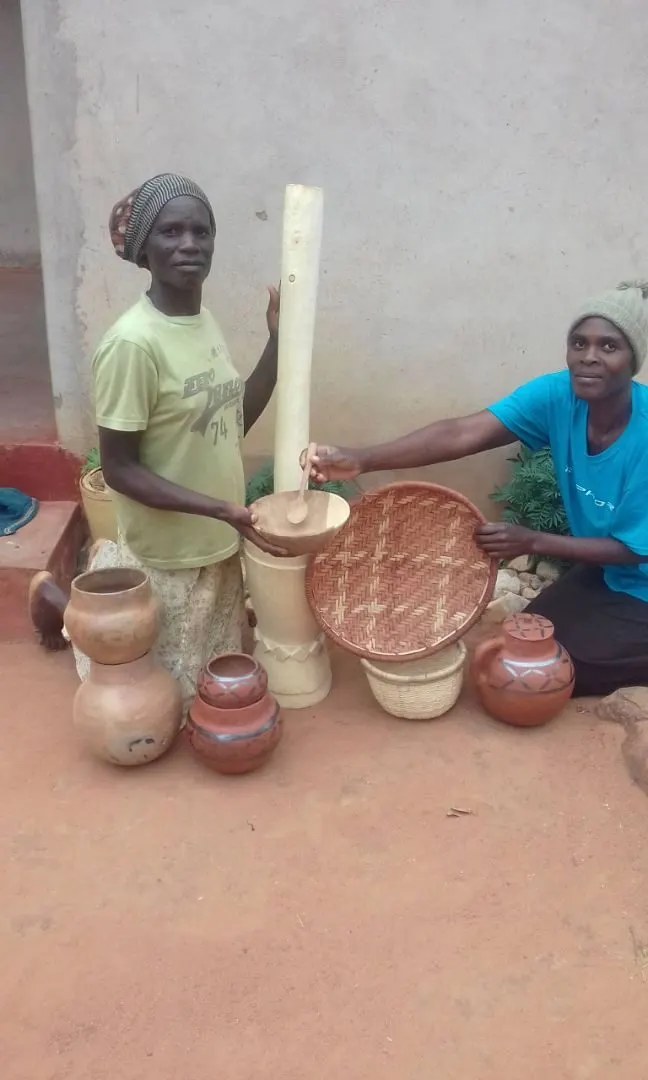
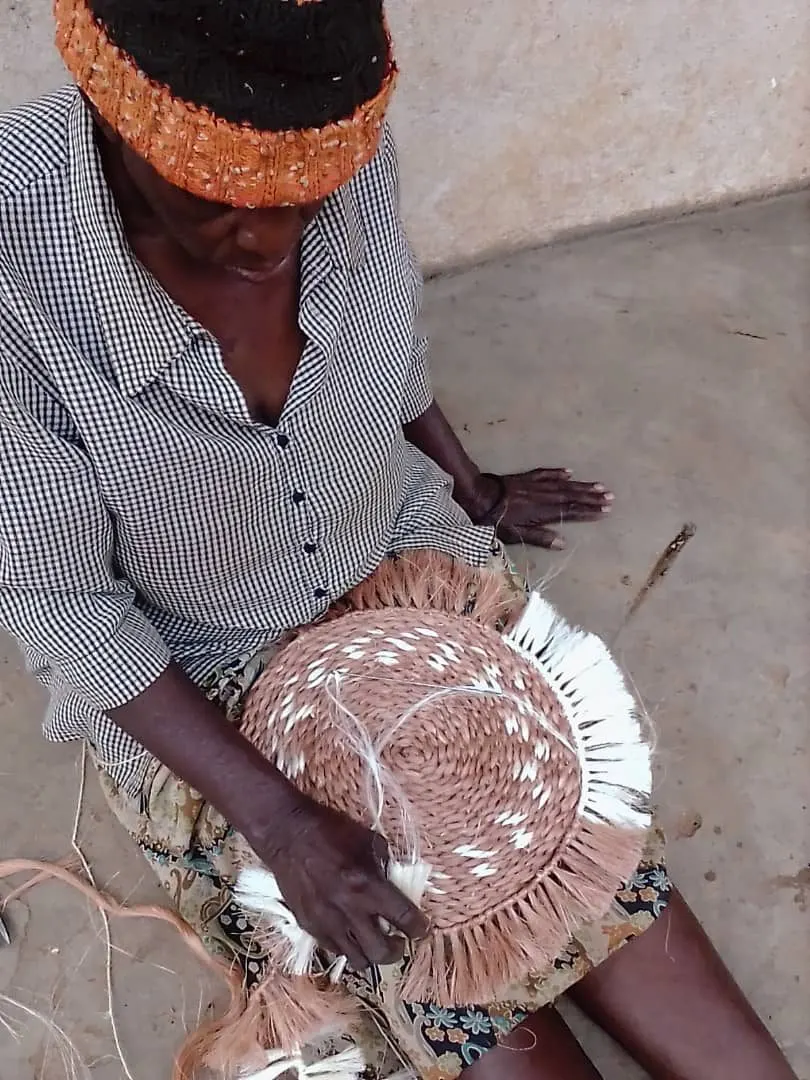
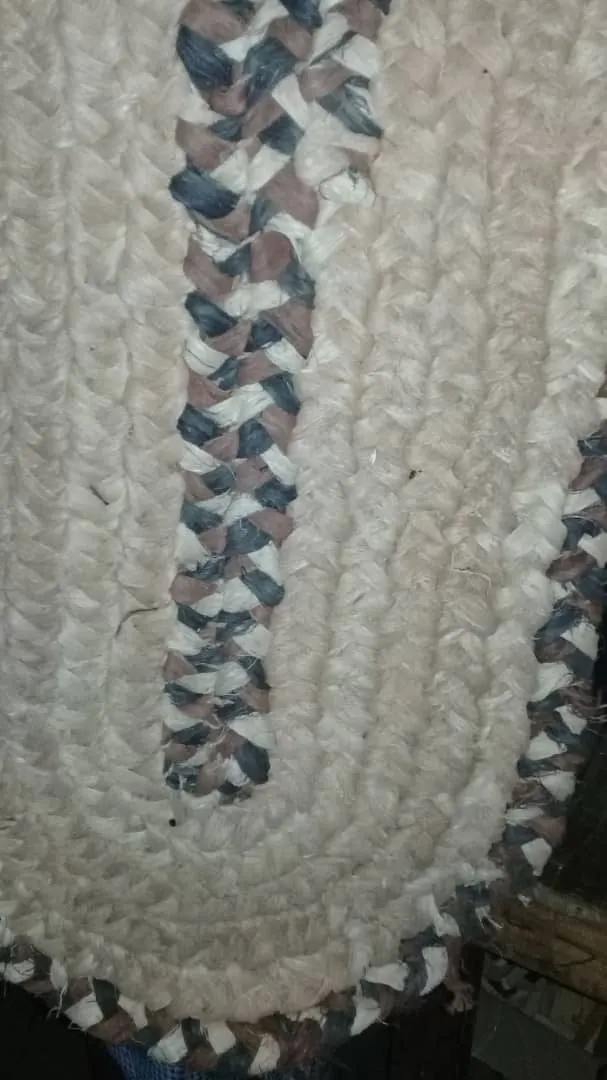
Shared with The Wellbeing Hub's research collection by Dr Charity Chenga.
Conservation & ecotourism
Shared Ground Zimbabwe: Rhino Conservation, Ecotourism & Cultural Immersion
Not a tourism product designed to entertain, impress or transform communities, but a shared-living programme: visitors step into a different way of living, on the community's terms, while supporting rhino conservation. The background to the conservation and ecotourism work The Hub's international side is built around.
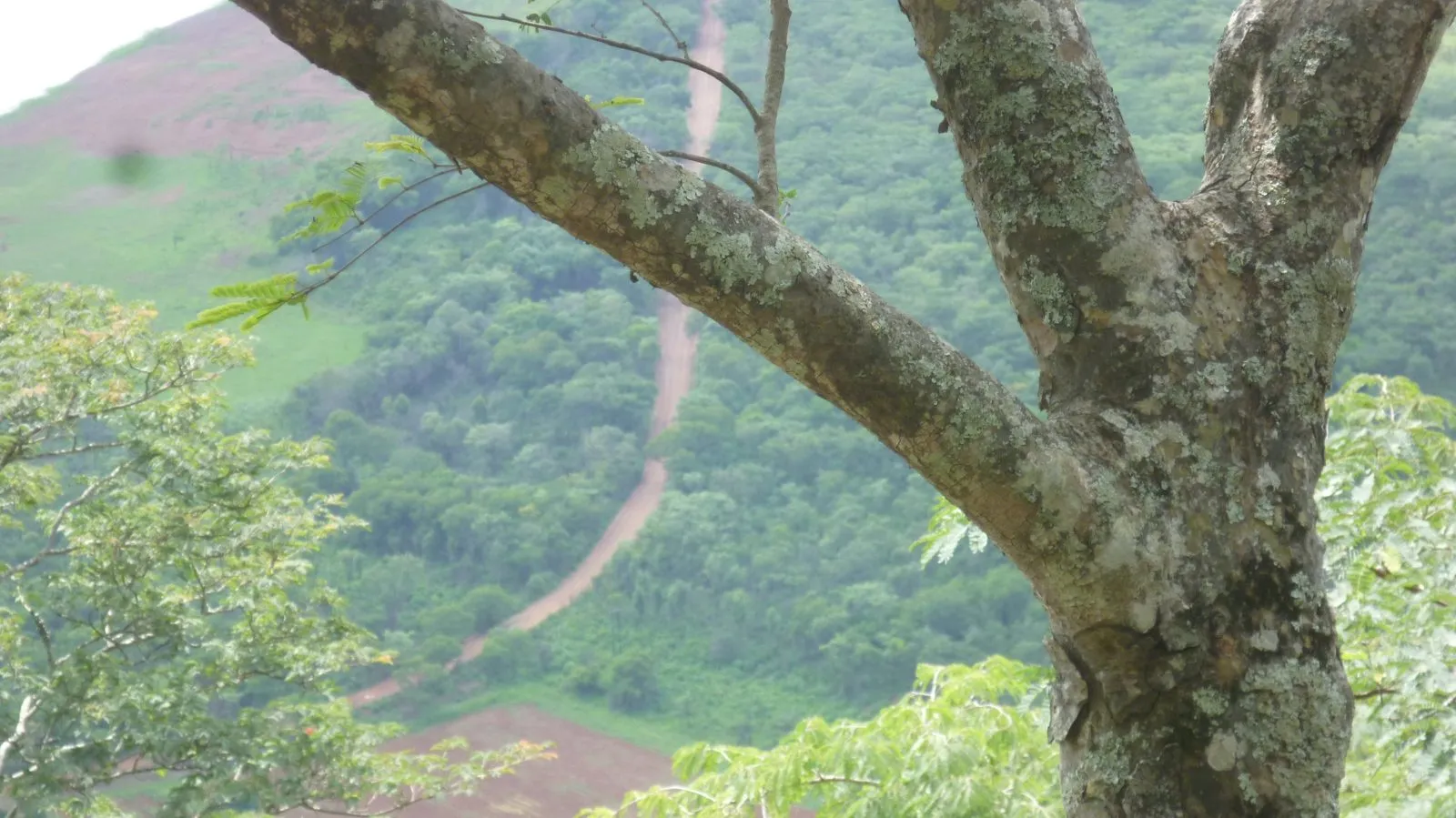
Shared Ground Zimbabwe is not a tourism product designed to entertain, impress, or transform communities. It is a shared-living programme that allows visitors to temporarily step into different ways of living, while supporting wildlife conservation and respecting cultural autonomy.
Nothing described here is aspirational without intent. Everything described here is meant to be practiced.
Background, purpose and vision
Tourism has historically been extractive, even when framed as “responsible” or “sustainable.” Communities are often treated as attractions, wildlife as spectacle, and culture as performance. At the same time, travellers increasingly seek depth, meaning, and genuine connection.
Shared Ground Zimbabwe exists to bridge this divide.
The programme is founded on a simple premise: people can share life without trying to fix each other. Rather than creating new infrastructure or reshaping communities, the programme works with what already exists — conservation landscapes, villages, and mountain communities — asking permission rather than imposing structure.
The vision is not scale for its own sake, but depth of experience, stability of income, and long-term trust.
Core philosophy and ethical position
At the centre of Shared Ground Zimbabwe is a clear and non-negotiable philosophy:
Visitors are guests, not helpers. Communities are hosts, not beneficiaries.
This programme explicitly rejects charity tourism, voluntourism, orphan or child-centred tourism, staged cultural performances, and poverty-based narratives.
Learning occurs through shared time, not instruction. Understanding comes from participation and patience, not activity schedules.
Consent and choice
All host participation is voluntary. Hosting can stop at any time. Visitors are screened for readiness. Growth happens only with community approval.
Dignity and privacy
Photography is consent-based. Children are protected and never marketed. Social media use is controlled. Cultural boundaries are respected.
Restraint is treated as a strength, not a limitation.
Programme environments
Rhino conservation — Antelope Park
The conservation component grounds the programme in real environmental responsibility. Participants engage in professionally supervised, non-invasive conservation activities such as rhino monitoring, habitat management, and data collection.
This is not a safari experience. It is repetitive, quiet, and disciplined work. Visitor fees contribute directly to conservation costs, ensuring tangible impact without spectacle.
Machitenda Village — cultural homestays
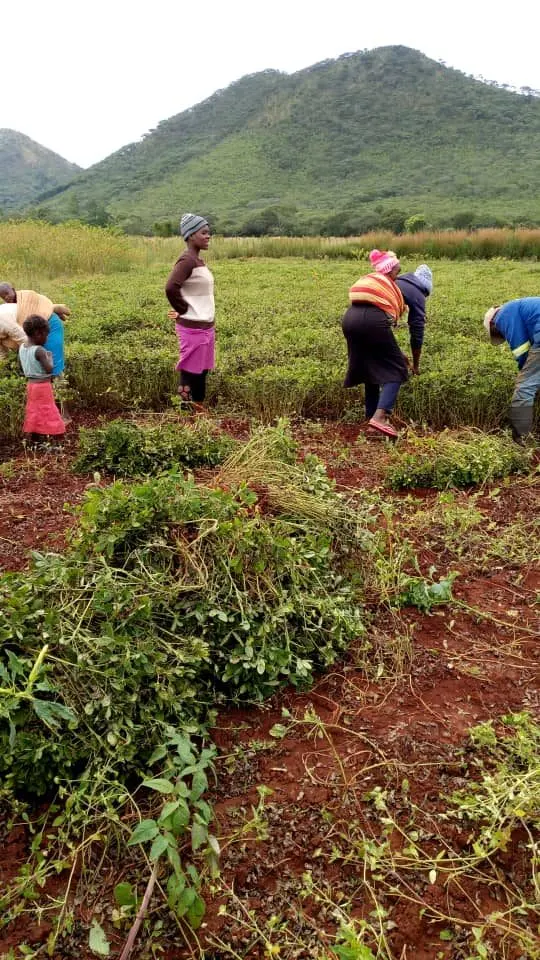
In Machitenda Village, visitors live with families as guests. There are no schedules, no demonstrations, and no performances. Life unfolds as it normally would — through cooking, farming, resting, socialising, and shared responsibility.
Visitors are encouraged to accept boredom, repetition, and silence as part of real life.
Glen Livet Mountain Range — slow living
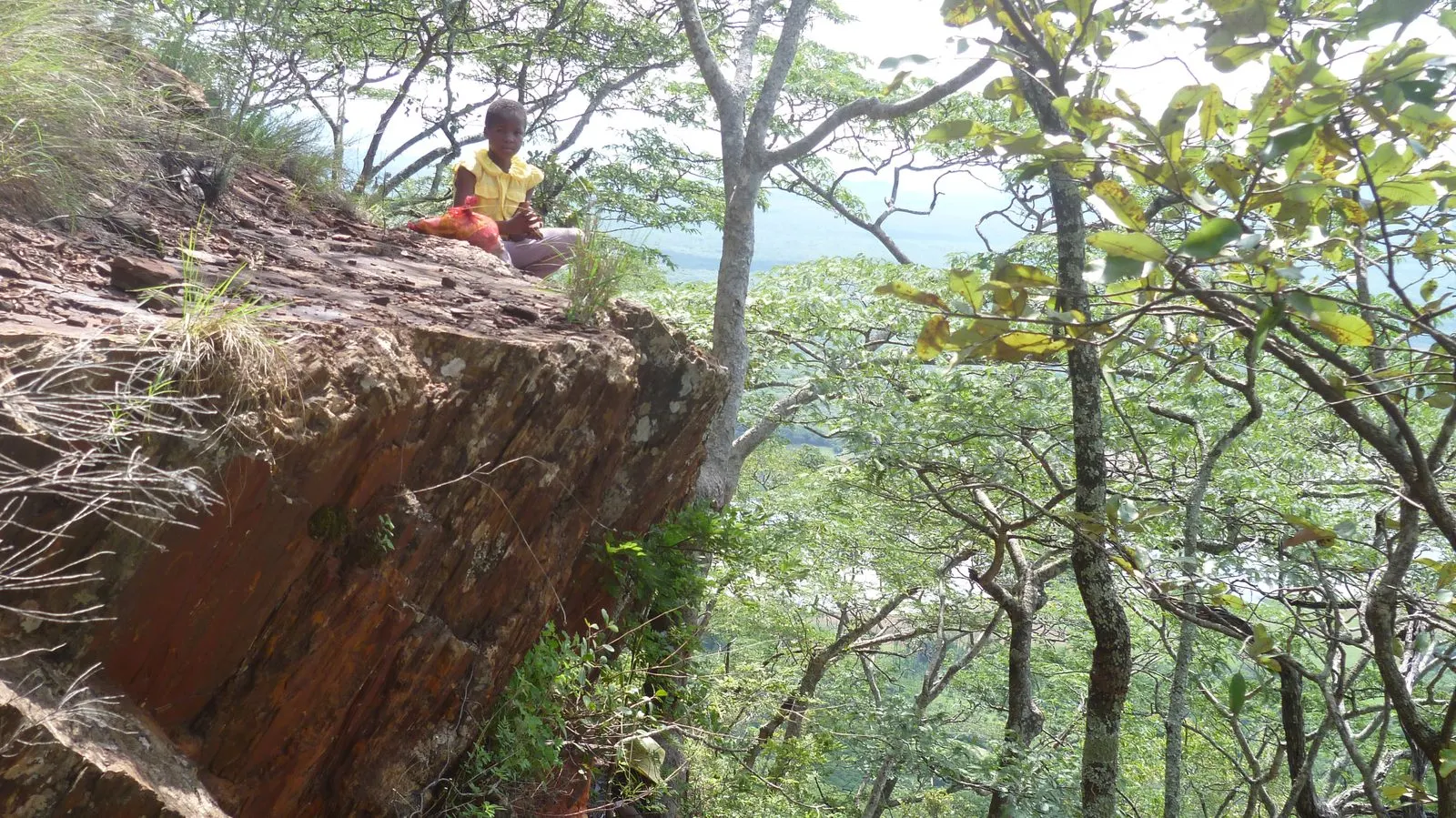
The mountain component reinforces simplicity and connection to land. Activities include walking, plant knowledge, livestock care, craft-making, and quiet time shaped by weather and season.
Visitor experience and readiness
Shared Ground Zimbabwe prioritises long stays. Visitors may stay from 7 days to 3 months, but extended stays are actively encouraged to reduce pressure on hosts and deepen understanding.
Participation is not automatic. The programme is deliberately selective to protect host families, conservation partners, and visitors themselves. Every visitor completes three mandatory stages before arrival: a written application, a screening interview, and a cultural and ethical briefing. Completion of all three stages is required. No exceptions are made.
These processes are not administrative formalities. They are core safeguards that uphold the values of Shared Ground Zimbabwe.
The written application
The written application allows the programme to understand a visitor’s motivation, expectations, and self-awareness. Applicants are not assessed on skills, education, or experience. Instead, attention is given to humility, emotional maturity, cultural openness, willingness to live simply, and the ability to sit with discomfort and uncertainty.
Applications that frame participation as “helping”, “fixing”, or “changing” communities are not accepted.
The screening interview
Applicants who pass the written stage are invited to a screening interview. This conversation focuses on expectation alignment, not persuasion. Applicants are asked to reflect on the lack of structure and routine, shared living arrangements, boundaries around money, photography and children, and responding to correction or cultural misunderstanding.
The interview also gives applicants space to withdraw if they feel the programme is not right for them.
The cultural and ethical briefing
Accepted visitors complete a compulsory cultural and ethical briefing before arrival, covering shared living expectations, cultural respect and decision-making norms, photography and storytelling rules, child protection, and conservation ethics and safety.
Visitors must formally acknowledge understanding and agreement. Failure to comply may result in immediate removal from the programme.
Operations, governance and safety
The programme is coordinated by a small local team responsible for community liaison, conservation coordination, visitor orientation, logistics and transport, and conflict resolution.
Safety protocols include wildlife briefings, emergency medical referrals, mandatory insurance, and strict child protection enforcement. Children are not part of the tourism product: no photography without guardian consent, no social media posting of children, no gifts or money given directly to children, and no unsupervised interaction. Breaches result in immediate removal and possible reporting.
Community engagement runs through traditional leadership. Host participation is voluntary, hosting may cease at any time, and there is no pressure or quotas.
A fee-based model, not an aid model
Shared Ground Zimbabwe operates on a transparent, fee-based model. Visitors pay for participation and living experience, not for charity or luxury. There are no donations, sponsorship narratives, or aid flows. Income is distributed directly and transparently, with a clear contribution to conservation.
Responsible growth
Growth is consent-led. Later phases include onboarding additional host families only upon request, academic residencies, and long-stay programmes. Capacity limits, host rotation, and annual ethics reviews protect integrity.
Marketing is selective and values-led, aimed at slow travellers, conservation-oriented visitors, carefully screened gap-year participants, and people seeking depth over spectacle. It actively discourages influencers, short-stay thrill seekers, and “helping” narratives. Success is measured by fit, length of stay, host satisfaction and referrals — not volume.
Conclusion
Shared Ground Zimbabwe is not designed to impress quickly. It is designed to last, by protecting dignity, consent, and trust.
It offers a tourism model that is human, ethical, and economically viable, without exploiting people, culture, or land.
This programme does not promise comfort, excitement, or transformation. It offers time, proximity, and shared life.
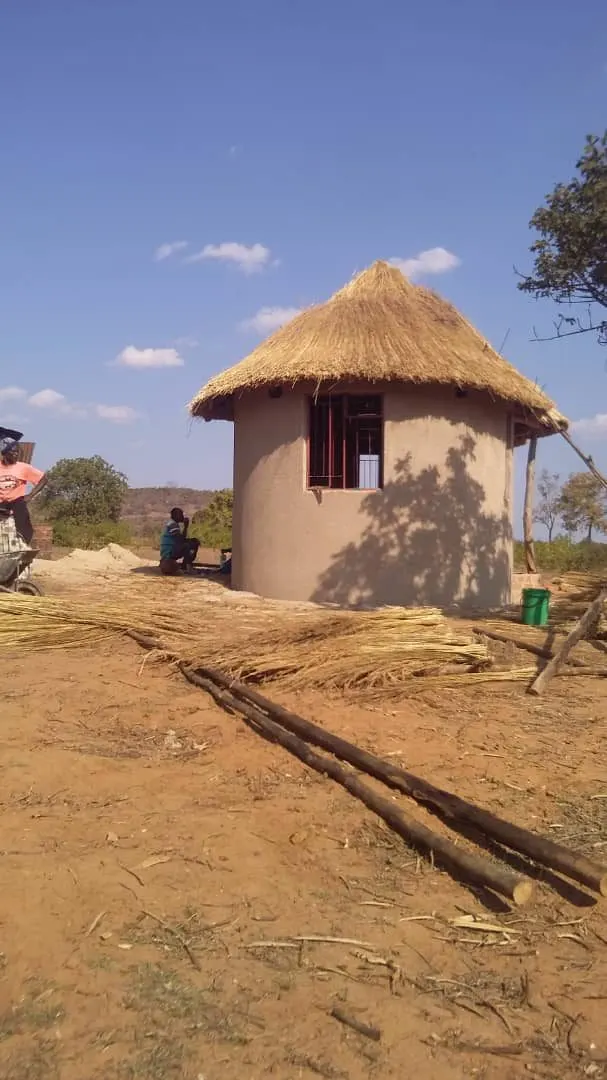



A public overview of the Shared Ground Zimbabwe programme. Operational, financial and partner-facing detail sits in the full programme documents, which are not published here.
Research & Development
Research with the community, not about it
See how the pillar works, or bring us a question worth answering together.